
Flex Space for Modern Businesses & Self Storage Developers
MakoRabco designs and builds high-performance flex space buildings for developers who want to maximize land use, attract a broader tenant base, and create new revenue streams beyond traditional self-storage. Whether you're adding a flex space building to an existing facility or developing a full flex-space project from the ground up, our team delivers durable, scalable solutions engineered for long-term ROI.
What Is Flex Space?
Flex space, sometimes called contractor bays, artisan units, shop space, or self storage flex space, refers to multi-use commercial units designed to accommodate a wide range of business, trade, storage, or hobby needs. These units typically include oversized doors, insulated walls, tall ceilings, optional storefronts or offices, and the ability to customize utilities such as electrical, plumbing, and HVAC.
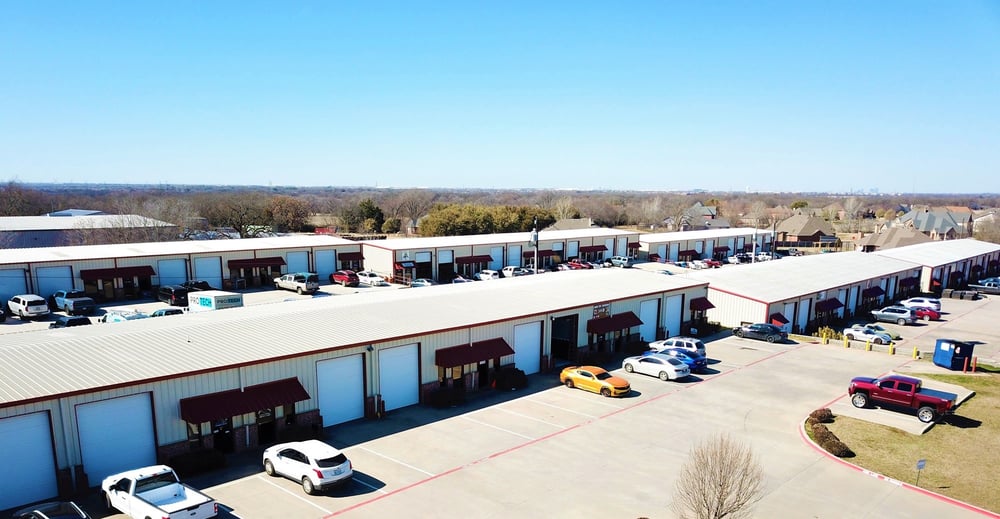
Flex space provides the perfect hybrid between traditional warehousing, light industrial workspace, and storage—making it one of the fastest-growing asset types in commercial real estate.
A Multi-Use Hybrid of Workspace + Storage
Common flex space features include:
-
14'–20'+ clear heights
-
Large roll-up or sectional doors
-
Durable slab floors
-
Insulation packages
-
Power and lighting options
-
Optional mezzanines
-
Optional storefront/office fronts
-
High-security access systems
Why Flex Space Is Growing in Popularity
Demand for flexible workspace has surged as trades, small businesses, e-commerce brands, and independent creators look for a professional, affordable place to work or store equipment. Flex space offers practicality, affordability, and scalability, often at a lower cost and with fewer restrictions than traditional office or retail space.
For developers evaluating a potential flex space project, understanding local market dynamics and tenant demand is critical. Flex Space Nation’s comprehensive market analysis offers deeper guidance on supply, rental trends, and competitive factors that influence successful flex space investments.
Flex Space Use Cases
Flex space serves a remarkably diverse user base. These use cases help prospective tenants picture themselves in the space, and signal relevance to search engines.
Contractors and Trades
Electricians, plumbers, HVAC companies, landscapers, remodeling crews, and other skilled trades use flex space as a secure base of operations. Units can store vehicles, tools, and materials while serving as a small office or dispatch center.
E-Commerce and Small Business Operations
Growing online sellers and small businesses need space for inventory, packaging, shipping, and light assembly. Flex space provides a perfect middle ground between home-based setups and full warehouse or retail leases.
Light Industrial and Workshop Users
Fabricators, equipment repair services, and workshop-style businesses benefit from tall ceilings, robust slabs, and flexible utilities that support light industrial activity.
Automotive, Hobby, and Recreational Users
Car collectors, off-road vehicle owners, and hobbyists appreciate the oversized doors, large slabs, and the option to install lifts or mezzanines within flex space units.
Startups and Entrepreneurs
Early-stage businesses use flex space as a professional home base without committing to large, long-term office or industrial leases.
Makers, Creators, and Studios
Woodworkers, artists, photographers, and content creators gain a combined workspace + storage solution at a fraction of traditional studio or retail space costs.
Flex Space vs Traditional Self Storage
Both flex space and traditional self storage play important roles in a modern commercial site plan. Many developers find that the best strategy is a hybrid approach that combines flex space units with conventional storage buildings.
Flex Space Advantages
-
Workspace + storage in one unit
-
Larger bay sizes and taller clear heights
-
Higher rental income potential
-
Customizable utilities and interiors
-
Office or storefront options
-
Industrial-grade slabs and infrastructure
-
Attracts long-term business tenants
Traditional Self Storage Advantages
-
Lower construction cost per square foot
-
Simpler building requirements
-
Primarily storage-focused
-
Shorter rental cycles
-
Lower utility demands
-
Ideal for household and personal goods
- Highly configurable